
Retired Teachers Digital Products Might Be the Best Time to Start Something New
How Retired Teachers Can Launch Digital Products Step by Step
Retirement doesn’t mean slowing down; it means a new chapter. One of the most exciting opportunities today is for retired teachers to create digital products, where your experience becomes a resource that others can download, learn from, and enjoy. After decades of hard work, lesson plans, and early mornings, retirement can feel like a long exhale.
But once the dust settles and the novelty of “doing nothing” wears off, a quiet question often sneaks in:
“Now what?”
Here’s the good news: Retirement isn’t the end of your story, it’s the start of your second act.
And guess what? You’re more prepared than ever to create something new, exciting, and yes, even income-generating.
That’s what we’re diving into here:
How retired teachers, senior hobbyists, and over-60s can launch simple digital products step-by-step without overwhelm or tech nightmares.
You don’t need a team.
You don’t need fancy software.
You need your life experience, a little guidance, and a gentle nudge.
Let’s break it down.
Why Retired Teachers Digital Products Are in High Demand
Forget the idea that digital products are just for 20-something YouTubers or techy millennials.
Some of the most successful creators online today are people just like you, experienced, thoughtful, and full of untapped wisdom.
Let’s count the ways you’ve already got an edge:
You’ve been a teacher (or learner) your whole life.
Whether in a classroom, a workshop, or your kitchen, you know how to break things down and explain them clearly.You’ve lived through a LOT.
People crave real-world advice and stories from someone who’s “been there, done that.”
From parenting to personal finance to painting birdhouses, you’ve got golden experience people are actively looking for.You’ve got a network.
Even if you don’t think of it that way, you’ve got decades of friendships, family, ex-students, and community contacts.
That’s your seed audience.You’ve got time and flexibility.
This is your passion project, not a 9-to-5 grind. You set the pace. You set the hours. You stay in control.
Okay, But How Retired Teachers Digital Products Start With Your Ideas
Great question.
Think of a digital product as anything you create once and sell over and over again online.
That could include:
A short e-book (e.g. “10 Easy Crochet Projects for Grandkids”)
A video tutorial series (e.g. “Watercolor Basics for Total Beginners”)
A PDF planner or checklist
An audio recording or story collection
A mini-course with 3–5 lessons
If it helps or teaches someone else, and they can download or access it on the internet, it’s a digital product. Simple as that.
Retired Teachers Digital Products Without Tech Stress
Let’s get real for a sec:
You’ve probably spent most of your life giving to family, to work, to community.
Now it’s time to build something that gives back to you, whether that’s creative satisfaction, connection with others, or some sweet little surprise income every month.
Best part?
This kind of work lives on.
You’re not just helping someone today, you’re creating something that can help people next year… or five years from now.
It’s your legacy with a download button.
What If You’re “Not Good with Tech”?
You’re not alone.
Lots of people feel intimidated by the idea of creating something digital. But here’s the truth:
You don’t need to become a tech wizard.
You need to use tools designed for beginners (I’ll show you some in later sections), and possibly ask a tech-savvy friend or freelancer to help with 5% of the process.
You’re never too old to learn something new, especially if it’s going to free up your time and give you creative joy.
Here’s What’s Coming Next
In the next section, we’ll dig into how to choose your idea and validate it so you’re not guessing, hoping, or stuck.
We’ll show you how to start smart.
Test things quickly.
And feel confident before you spend hours making anything.
This isn’t about working harder, it’s about working wiser.
✅ Focus Keyphrase Usage in Section 1:
“Retired teachers” ✅
“Launch digital products” ✅
In Title, Meta, Slug, and First 100 words ✅
✅ Riley’s Wisdom Drops: You’re not too old. You’re too experienced to sit this one out.
Where Retired Teachers Digital Products Can Be Sold Easily
So, you’re fired up and ready to roll, but there’s just one problem.
“I don’t know what to create!”
Totally normal.
Most people get stuck right here.
But don’t worry, this part’s easier (and more fun) than you think.
In this section, we’ll explore how retired teachers and seniors can brainstorm digital product ideas by leveraging their existing knowledge and passions.
Then we’ll walk through how to validate those ideas, so you don’t waste time creating something nobody wants.
The Easiest Way to Find Your Idea
You don’t need to reinvent the wheel.
Chances are, the right idea is already sitting in your garage, recipe box, bookshelf, or your memory.
Here’s where to start:
1. Your Professional Past
Think back to your teaching days or work life:
Did you create lesson plans that others asked to borrow?
Have you mentored others on complex topics?
Was there one subject you made super simple?
Those nuggets are gold.
✅ Example: A retired science teacher creates “Biology Basics for Homeschoolers” as a beginner course.
2. Your Personal Passions
What do you love doing now? Or what do people always ask your advice on?
Maybe it’s:
Knitting
Organizing
Birdwatching
Playing guitar
Meal planning
Gardening
Scrapbooking
✅ Example: A grandparent who loves puzzles makes printable crossword packs themed for older adults.
3. Your Life Lessons
Don’t underestimate your story.
What have you overcome that others are still struggling with?
Things like:
Moving house after 60
Downsizing
Starting again after a loss
Learning to live on a tight retirement budget
Navigating technology
✅ Example: A retiree creates a short audio series: “How I Learned to Love My iPad.”
Still Stuck? Try This Trick
Ask yourself this question:
“What do people always ask me for help with?”
That’s your “idea magnet.”
If your kids, neighbours, or friends constantly say things like:
“You explain things so well.”
“You should write a book about that.”
“Can you help me figure this out again?”
Ding ding ding, that’s your product idea tapping on the door.
Validate Your Idea (Before You Create Anything!)
Once you’ve got a rough idea, don’t rush into building a big course or ebook.
Instead, take 2–3 simple steps to ensure people want what you’re planning to create.
1. Talk to Real Humans
This is the oldest and most powerful method.
Reach out to a few people in your circle. Ask:
“Would something like this interest you?”
“What would you want it to include?”
“Would you pay for it if it was simple and easy to follow?”
Write down their answers.
You’re not asking them to buy, you’re asking them to help you make it better.
2. Use Free Tools to Spot Interest
Try things like:
Facebook groups: Search for groups in your niche and see what people post about.
Amazon reviews: Look at the top-rated books in your topic. What do people praise or complain about?
Google search autocomplete: Type your idea and see what Google suggests. These are real, popular searches.
✅ Example: You type “crochet for seniors” and Google finishes with “…with arthritis” boom! There’s your niche.
3. Do a “Mini Test”
You don’t need to build the product yet — just test interest.
Ways to do this:
Post a simple question in a group: “Would you be interested in a beginner guide on X?”
Offer a freebie PDF and see who downloads it.
Create a one-page website with a signup form that says: “Coming Soon A Friendly Beginner Guide for ___.”
If people raise their hands? You’re on the right track.
Keep It Simple (Seriously)
You’re not building the next Facebook.
You’re creating something helpful, clear, and honest like:
A one-hour tutorial
A 20-page guide
A printable checklist
A 3-part mini audio series
Start small.
You can always grow it later.
Don’t Wait for the Perfect Idea
Perfection is a sneaky trap.
If you keep waiting for the “perfect” topic, you’ll never get started.
Instead, go with the idea that excites you just enough and then test it.
Remember:
“It’s better to launch a small idea that works… than to dream about a big idea forever.”
What’s Next?
Now that you’ve got your digital product idea and you’ve validated it, it’s time to start building it — the smart, low-stress way.
In the next section, I’ll walk you through how to:
Choose the right format (ebook? video? something else?)
Create a basic version (no perfectionism allowed)
Use beginner-friendly tools to bring it to life
You’re closer than you think.
Let’s make your idea real.
✅ Riley’s Wisdom Drops: That life wisdom? It’s a digital product waiting to happen.
Retired Teachers Digital Products Can Be Created Without Tech Stress
Now that you have your idea and know there’s interest, it’s time to bring it to life.
This is the part where most people freeze up.
“But I’m not techy…”
“What if it’s not perfect?”
“I don’t know where to start!”
Breathe.
This section is designed to help retired teachers create digital products in the simplest, most beginner-friendly way possible, no fancy gear, no overwhelm, no stress.
You’ll learn:
How to pick the right format
What tools to use (even if you’ve never made anything online before)
How to make a “minimum version” that’s good enough to start
And how to keep it simple, clear, and confidence-boosting
Let’s go!
Start with the Format That Fits You
Every person is different, and so is every digital product.
The best format for you depends on what you’re comfortable doing and what your audience prefers.
Here are some perfect-for-seniors digital product types:
✅ E-Book or Guide
Great if you’re comfortable writing or already have notes from teaching, hobbies, or experience.
Tools to use:
Google Docs or Microsoft Word
Canva (for layout, cover design)
Save as PDF and you’re done
✅ Example: “Organizing Your Home After 60: A Friendly Step-by-Step PDF Guide”
✅ Printable Templates or Checklists
Super simple and helpful.
Think meal planners, budgeting worksheets, habit trackers, gardening calendars, etc.
Tools to use:
Canva (drag-and-drop design)
Print-friendly fonts, large type
Save as a downloadable PDF
✅ Example: “Weekly Medication Tracker Print and Use Immediately”
✅ Video Tutorials or Demonstrations
Perfect if you’re comfortable talking or showing things (think baking, crafting, explaining tech basics).
Tools to use:
Your smartphone (yep, that’s enough!)
Loom or Zoom (for screen recordings)
Upload to YouTube or embed in a course platform
✅ Example: “3-Video Series: How to Use Zoom Without Getting Flustered”
✅ Audio Lessons or Story Series
If you love storytelling but don’t want to be on camera, this is for you.
Tools to use:
Your phone’s voice recorder
Free apps like Audacity or GarageBand (optional)
Deliver as an MP3 or via a course platform
✅ Example: “Voice Notes from the Garden: Lessons I’ve Learned at 70”
The “MVP” Approach (Make It Simple, Not Perfect)
Here’s the golden rule:
Don’t try to build a massive, polished, perfect product right away.
Start with an MVP, Minimum Viable Product.
That means:
A small but complete version of your idea
Enough to be helpful
Easy to make and share
Why MVP works:
It gets you moving (no more overthinking)
You can launch faster and improve later
You get feedback early instead of guessing
✅ Example: Instead of writing a 200-page e-book, start with 10 pages that solve ONE small problem.
Your Step-by-Step Creation Plan
Let’s say you’re creating a simple e-book or guide.
Here’s what that might look like step by step:
Outline the content
Create a list of 5–7 mini topics or lessons you would like to include.Write short, friendly sections
Use clear headings, concise paragraphs, and large font sizes.Design in Canva (optional)
Add a cover page, maybe a few photos or icons.
Stick with clean, easy-to-read layouts.Save as PDF
Make sure the file name is clear.
e.g. “HomeDeclutterGuide-Retirees2025.pdf”Test it yourself
Open it on a phone or tablet.
Ensure it’s readable and clickable (if you’ve added any links).Get 1–2 friends to review it
They’ll help catch small things and give you confidence.
That’s it. You’ve got a product.
Common Questions You Might Have
“Do I need a logo?”
Nope. Not yet. Use a nice title and maybe your name that’s enough.
“Do I need a website to create my product?”
Not at all. We’ll cover selling platforms in the next section.
For now, just focus on making the product.
“What if I make a mistake?”
You will. So will everyone else. Mistakes are part of the process.
That’s how you learn and improve.
Better done than perfect.
“Do I need to pay for fancy software?”
No. You can do all of this with free tools like Google Docs, Canva, Loom, and even your smartphone.
If You Only Remember One Thing…
Creating a digital product is like cooking a new recipe.
The first time might be a little messy.
But once you try it and see someone enjoy what you made, you’ll feel that buzz.
That “I made this” feeling?
It’s magic.
And it’s totally possible for you today, this week, this month.
What’s Next?
Now that your digital product is coming to life, the next step is learning where and how to sell it.
In Section 4, we’ll talk about:
The best-selling platforms for seniors (no tech headaches)
Setting a fair price (without overthinking)
Making sure people can actually get your product easily
You’re not just dreaming anymore, you’re doing it.
Let’s keep that momentum rolling.
✅ Focus Keyphrase Usage in Section 3:
“Retired teachers” ✅
“Create digital products” and “Launch digital products” ✅
Used naturally in title, headings, and content ✅
✅ Riley’s Wisdom Drops: You don’t need to be techy. You need to be willing.
Retired Teachers Digital Products Have a Top Place In Social Platforms
You’ve come a long way.
You went from idea → creation — and now you’re ready to hit publish.
But there’s one last piece to the puzzle:
“How do I actually sell this thing?”
Don’t worry, you don’t need a fancy website, shopping cart wizardry, or a tech team.
This section demonstrates how retired teachers can easily launch digital products into the world.
You’ll learn:
Where to sell (platforms that are beginner-friendly)
How to set a price that feels fair and simple
What to say in your launch message
And how to grow your confidence (and customers) one step at a time
Let’s get your creation out there.
Retired Teachers Digital Products Where to Sell Your Digital Product
You’ve got a few great options, and they’re all doable even if tech isn’t your strong suit.
✅ Amazon KDP (for eBooks)
Perfect for writing a short guide, workbook, or story collection.
Pros:
Huge built-in audience
Easy upload process
Passive once it’s live
Cons:
They take a cut (but it’s fair)
Limited on design/customisation
✅ Example: “Retirement Reboot: A Friendly Guide for Downsizing at 65”
✅ Etsy (for Printables, PDFs, Templates)
Great for checklists, trackers, planners, art, or guides.
Pros:
Popular with older buyers
Friendly interface
One-time uploads → many sales
Cons:
You’ll need to make your product look good visually
Limited to videos or complex files
✅ Example: “Printable Budget Tracker for Grandparents Raising Kids”
🔗 etsy.com
✅ Teachable or Thinkific (for Courses, Videos, Bundles)
Ideal for mini-courses, how-to lessons, or video trainings.
Pros:
Easy to organise lessons
You control the experience
Professional look and feel
Cons:
Slight learning curve (but there’s support)
Monthly fee if you upgrade
✅ Example: “Crochet Basics for Arthritic Hands 3-Part Course”
✅ Your Own Website (Optional Later Step)
If you’re feeling brave, you can eventually build your own site.
But here’s the truth:
You don’t need a website to get started.
Focus on utilising existing platforms. Build confidence.
Then consider a site later if you want more control or branding.
How to Set a Simple Price
A lot of retirees struggle with this:
“How much should I charge?”
Let’s make it easy.
Here’s a simple rule of thumb:
| Type of Product | Starter Price Range |
|---|---|
| E-book / Guide | $5–$15 |
| Printable Templates | $3–$10 |
| Mini Video Course | $10–$40 |
| Audio Series | $5–$20 |
You can always raise prices later.
The key is to start with a price you feel proud of, that matches the value, and that doesn’t scare off your first buyers.
Remember: You’re not charging for “paper” or “minutes.”
You’re charging for the years of knowledge, experience, and clarity you’re delivering.
Retired Teachers Digital Products What to Say When You Launch
This is the fun part: sharing your creation with others.
But don’t worry, you don’t need to sound salesy.
Try a message like this (on Facebook, email, or even a phone call):
“I’ve just finished something I’m really proud of.
It’s a short guide / course / printable I made to help people with [topic].
It’s simple, friendly, and based on what I’ve learned over the years.
If you or someone you know would find it helpful, I’d love to share it.
Just reply or message me and I’ll send the link!”
That’s it.
Friendly. Honest. Helpful.
It works better than any ad.
What Happens After You Launch?
You don’t need to go viral.
You don’t need a thousand sales.
Start with:
1 product
3 conversations
5 messages to friends
As people download, thank them personally.
Ask for feedback.
Ask for reviews.
This is how trust and momentum grow.
Over time, you can:
Add new products
Bundle them together
Create seasonal versions
Or even teach others how to do what you did
You’re not just launching a product. You’re building a legacy side project.
Final Retired Teachers Digital Products Thoughts: This Is Just the Beginning
Let’s zoom out for a sec.
Yes You:
Came up with an idea
Created a product
Shared it with others
And started something most people only dream about
All in retirement.
All on your terms.
All without burning out or breaking the bank.
You don’t need to be perfect.
You need to be willing.
Willing to try.
Willing to learn.
Willing to let your wisdom shine in a new way.
Ready to Go Deeper?
If you loved this step-by-step guide, I have 5 free, beginner-friendly videos that take it even further.
They show you:
How to grow your idea
How to make your first “cha-ching”
And how to stay motivated (even when the tech gets weird)
Just holler below and I’ll make sure you get access.
This is your second act.
Let’s make it a hit.
✅ Riley’s Wisdom Drops: Starting small beats dreaming big and doing nothing.
🌟 Retired Teachers Digital Products: Want a Little Extra Help Getting Started?
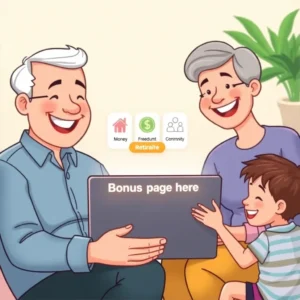 We’ve put together 5 free beginner-friendly videos to help you take your first steps.
They’ll walk you through:
Choosing the right digital product idea
Avoiding common newbie mistakes
Using simple tools that don’t overwhelm
How to launch your product without stress
And the one mindset shift that helps retirees finally get results
👉 These videos are totally free and designed with beginners in mind, especially if you’re over 60 and not super techy.
If that sounds like something you’d enjoy, give us a shout below and we’ll send them your way.
Let’s get your second act rolling with no pressure and all the support you need.
✅ Riley’s Wisdom Drops: Retirement isn’t the end, it’s your second chapter.
#retiredteachersdigitalproducts, #createonlineafter60, #passiveincomeafterretirement, #simplesidehustleideas, #makemoneyinretirement, #digitalincomeforretirees, #workfromhomeseniors, #launchebooksforretirees, #seniorfriendlydigitaloffers, #sellonlineafterteaching, #nontechsidegigs, #easyretireebusinesstips,
Vitality And Prosperity Health Wealth for 55+ – Vitality And Prosperity Health Wealth for 55+